Speak Like a 3-Year-Old
Foreign Language Learning for Humans Who Want to Talk to Humans
If you can check at least four of these boxes, you’re in the right place:
□ You’re a human.
□ You speak one language.
□ You want to speak another language.
□ You have tried and failed.
□ Your DuoLingo streak is impressive, but your conversational ability is not.
□ You think you’re not “good at languages.”
□ You think you’re too old.
□ You took a foreign language in school, but you can’t speak that language.
□ You don’t believe this is actually ever going to happen 🙁
What’s This Whole “3-Year-Old” Business?
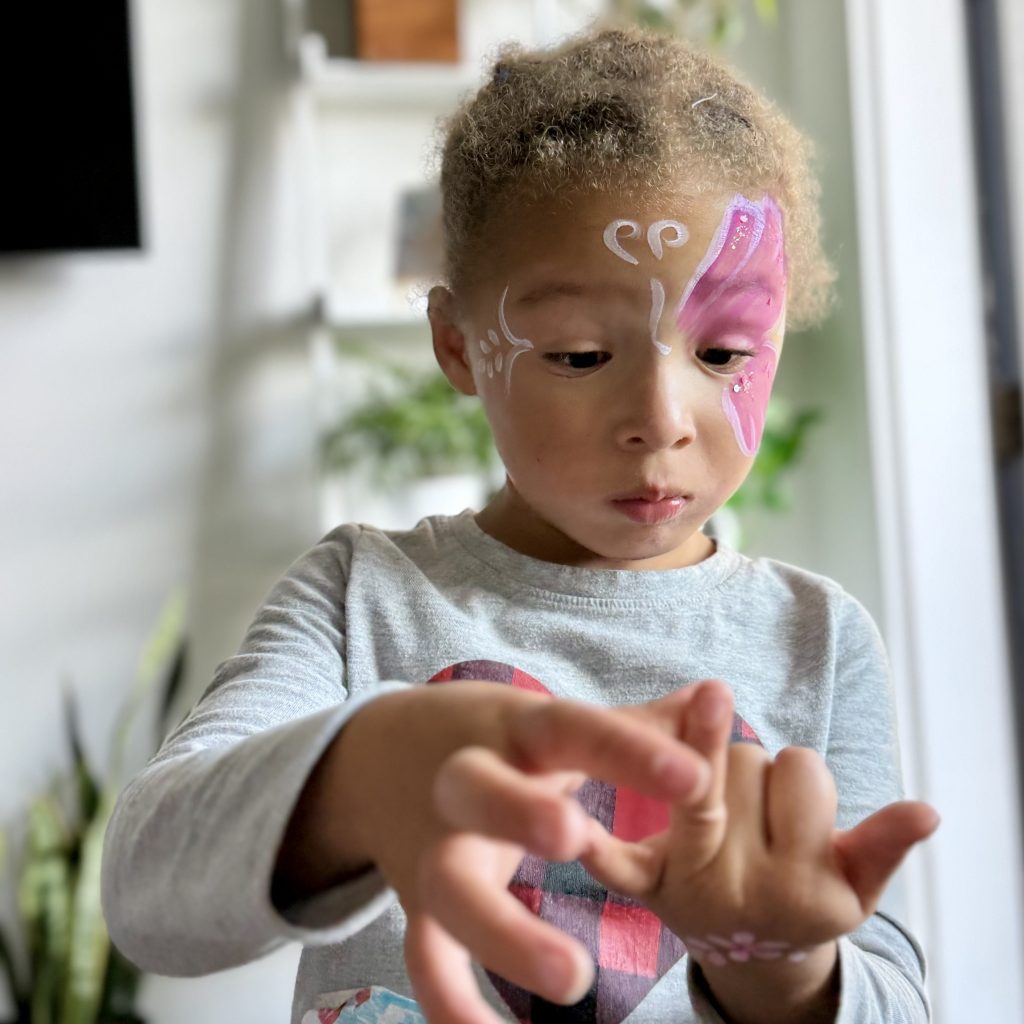
A 3-year-old child’s speech is truly a joy. It’s not perfect. It’s full of mistakes. Yet they are capable of asking for anything they need and having discussions about feelings, plans, and the meaning of life.
If you could speak a foreign language at this level — as imperfect as it is — you’d be able to do so much. The main difference between the native-speaking 3-year-old and the adult is not language skill. It’s a lack of social fear.
Adults are afraid to sound stupid. We feel pressure that we should already be good. Let that go, follow a few guidelines, and you will speak another language.
The fundamental promise: It doesn’t take an adult 3 years to “Speak Like a 3-Year-Old.” It takes far, far less.
Aren’t Children Better at Languages Than Adults?
Not to the extent that you think.
A child is born. The first year: a couple of words, a few phrases. The second year: single words and short sentences. The third year: true conversation — thousands of words, a variety of grammatical structures.
But here’s what nobody mentions when crowning children the language learning champions: to reach this level, the child had full support and at least one dedicated teacher speaking to them lovingly, every single day of their life.
If an adult had a fraction of that input, they’d reach a 3-year-old level — probably faster, given a well-formed intellect. It’s true that after age 4 through adolescence, children take the lead. With few exceptions, only a child can become natively, totally fluent in multiple languages with zero foreign accent. Adult fluency takes decades.
But proficiency — the ability to make friends and enjoy the language — is right around the corner. A year or so with modest consistency. That is the realistic promise here.
I Have Tried and Failed. What Am I Doing Wrong?
Imagine a basketball game at the local YMCA. A variety of sizes, ages, and abilities — but everyone is proficient. Nobody got a scholarship. Half didn’t play until adulthood. How did they learn?
They were curious. They started. Then something happened — a divergence in paths that explains everything:
Basketball beginner
- Watches YouTube for fun
- Goes and shoots around at a hoop
- Plays with a friend
- Picks up the game on the court
Language learner (typical)
- Downloads an app
- Writes learning plans
- Does worksheets and drills
- Never actually enters the court
The basketball beginner — without having officially played yet — is moving their whole body in ways that will be used in the game. They are playing. The language learner is still watching videos about basketball.
It’s intuitive: to learn basketball, get on the court. To learn dance, move your body. To learn to swim, get in the water. So where did we get the idea we could learn a language from an app?
The fundamental lie about language learning
“Foreign language is a subject.”
Language is not a subject like history — learn, remember, pass a test, done. Language is something to be done, like a sport or an art.
Learning 6 Foreign Languages as an Adult — Here’s What I Know
If you take nothing else, take these principles:
- You will never be as fluent as a native — and that’s fine.
- You have to “get on the court.” The actual game is conversation with a human.
- You don’t have to speak like a native speaker to play. You only have to speak like a 3-year-old.
- Adults can reach a 3-year-old’s language level in less than three years — with consistent practice, less than one.
- There are many ways to “get on the court,” even for beginners. None of them are Duolingo.
- “The court” is any natural use of language.
Top Language Learning Resources
These are the tools used to learn multiple languages to professional levels of proficiency in adulthood.
iTalki & Language Exchanges
The ultimate “tool” — being a friendly human. The actual game.
Podcasts & Audiobooks
Two audio methods that work: comprehensible input and shadowing.
Journaling & Books
If you read and write in your native language, do it in your target language too.
Netflix, YouTube & Video
The hard part is finding the right balance of comprehensible input and genuine interest.
Ready to stop studying and start speaking?
Read More at Boz’s Language Learning Blog →